
Client: Americold
Project: Halwyn Street Extension
Solutions discussed: d-flexx Mono Plus Barrier (superseded by Boplan TB 400 Plus), HaloPath Laser Line Projector
Challenge
As part of the Halwyn Street Extension, Americold needed to upgrade pedestrian protection around its existing and new coolstore walkways.
The existing mesh fencing was not designed to withstand the demands of the site. Constant forklift traffic operating in confined spaces regularly damaged the fencing, with impact forces pulling anchor bolts from the concrete floor.
This not only reduced the effectiveness of the pedestrian protection but also created an ongoing maintenance issue.
In a coolstore environment, repairing damaged concrete is particularly disruptive and expensive.
Americold also needed a safe way for pedestrians to cross the warehouse floor where installing physical barriers wasn’t practical.
Due to the constant movement of forklifts through the centre of the facility, traditional painted walkways quickly wore away under heavy traffic, reducing visibility, creating ongoing maintenance requirements and increasing the risk to pedestrians.
Assessment
Our team carried out a site assessment and worked through Vanguard’s 5-step safety design process with Americold to understand their traffic movements, pedestrian routes and impact risks.
By assessing how forklifts interacted with the walkways, we identified where higher levels of impact protection were needed and developed a solution that would provide long-term performance while protecting the building infrastructure.
We also assessed the warehouse crossing point where physical separation wasn’t feasible.
Rather than replacing worn line markings with more paint, we identified the opportunity to use a projected walkway that would remain highly visible regardless of traffic volumes while providing greater flexibility should the warehouse layout change in the future.
Solution
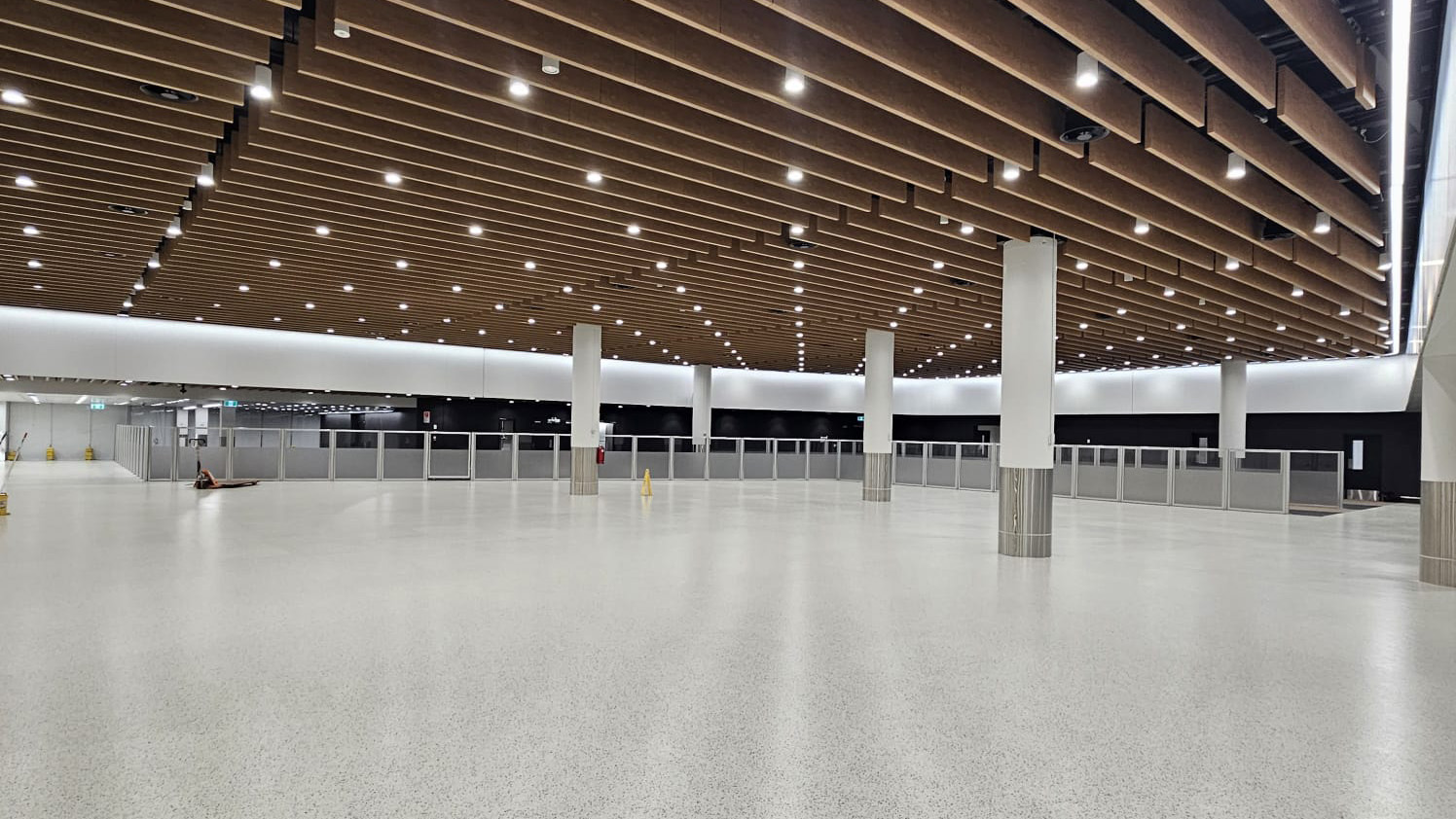
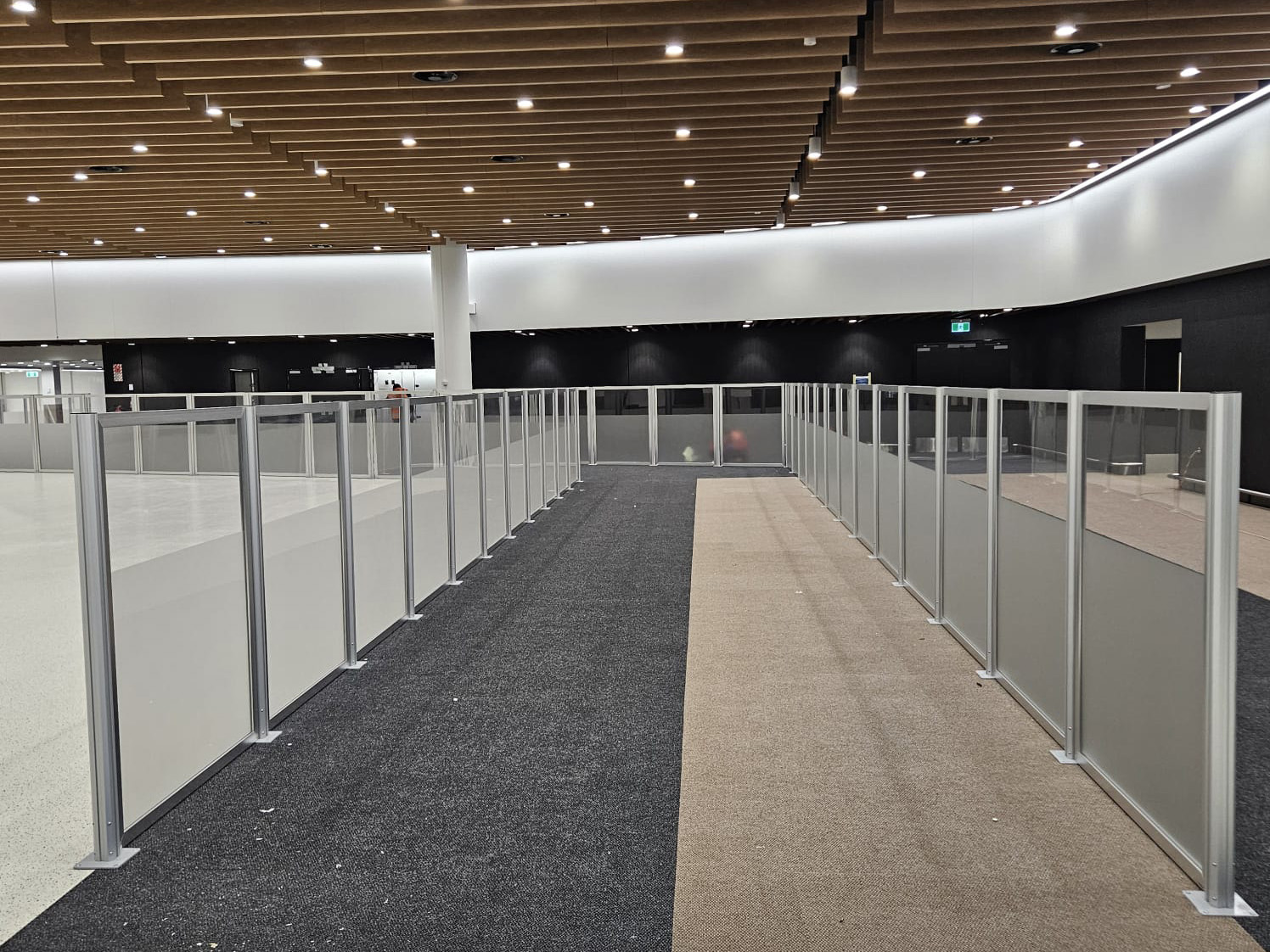
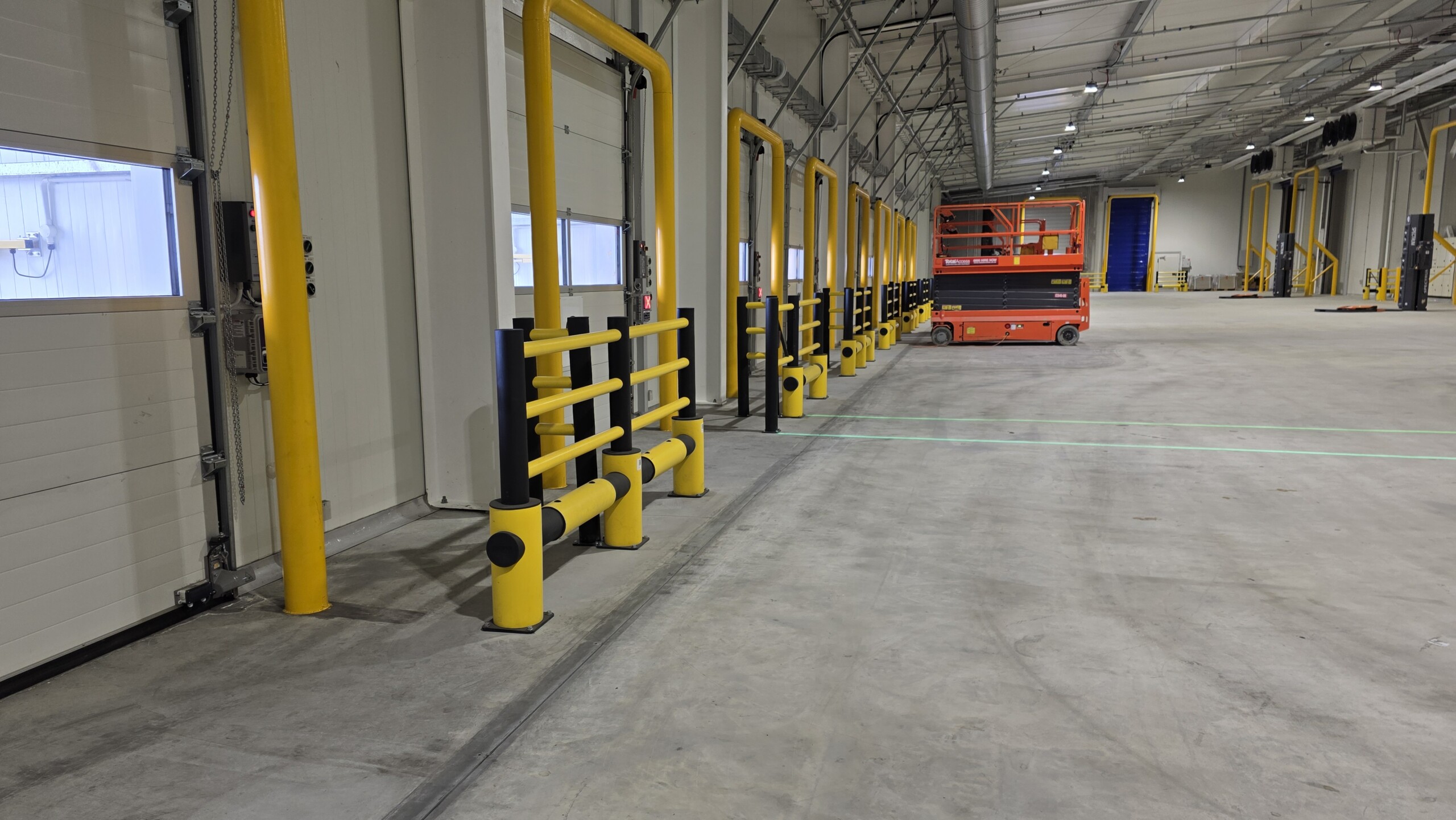
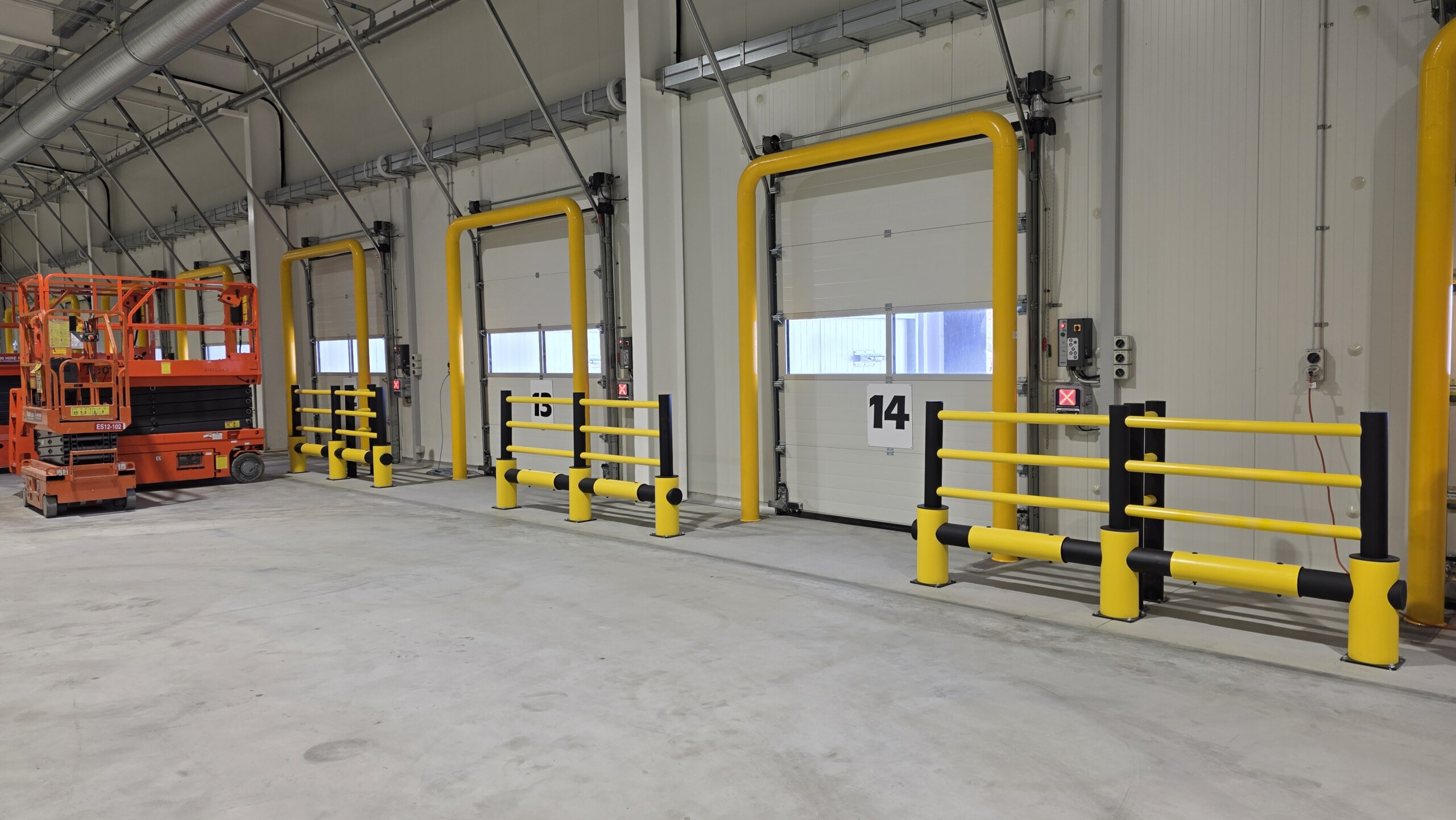
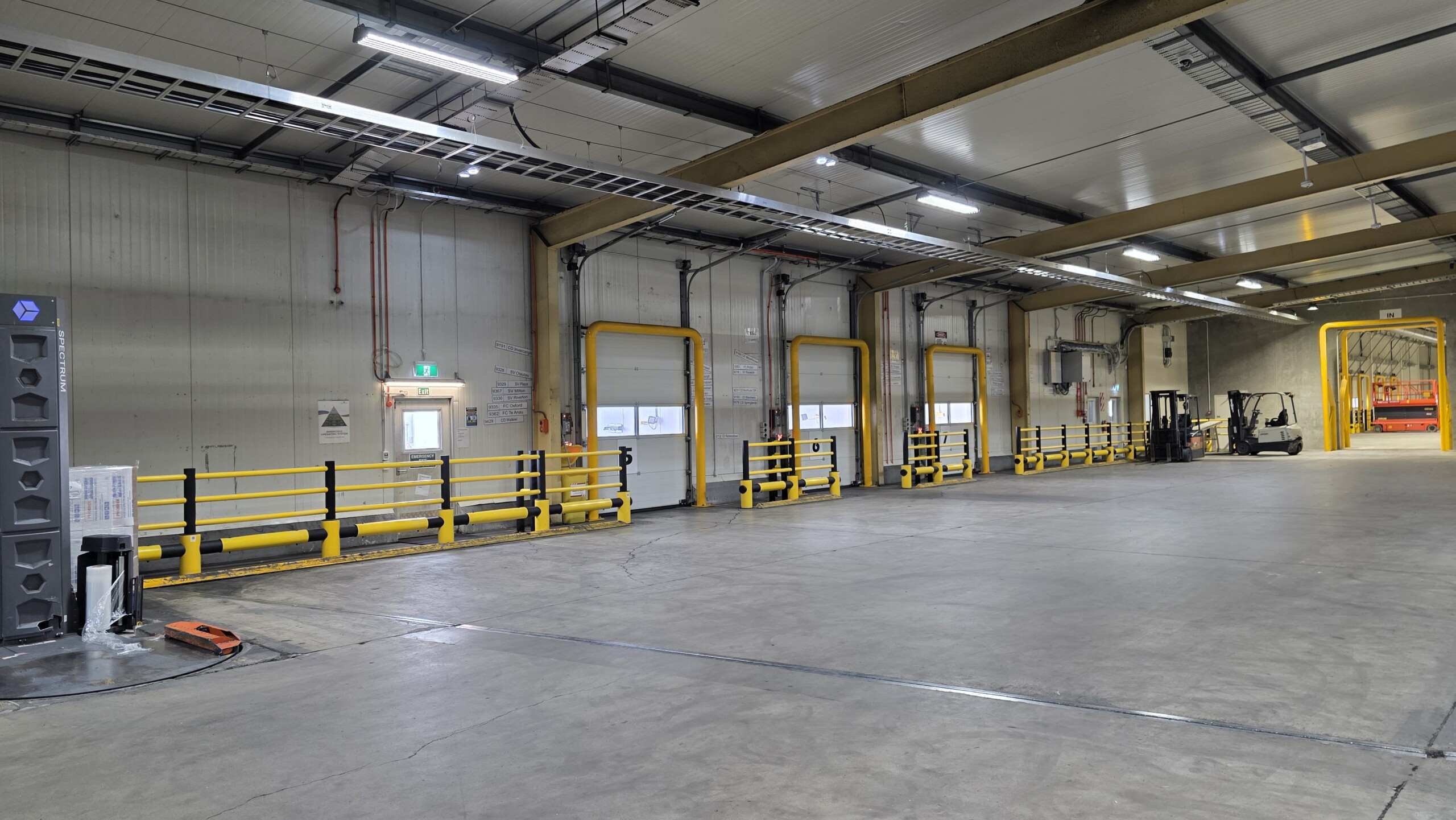
Energy-absorbing safety barriers were installed along both the existing and newly constructed walkways.
Designed to flex and absorb forklift impacts, the barriers provide reliable separation between pedestrians and vehicle traffic while significantly reducing the forces transferred into the concrete floor and anchor points. This delivers a far more durable solution than traditional mesh fencing in high-traffic warehouse environments.
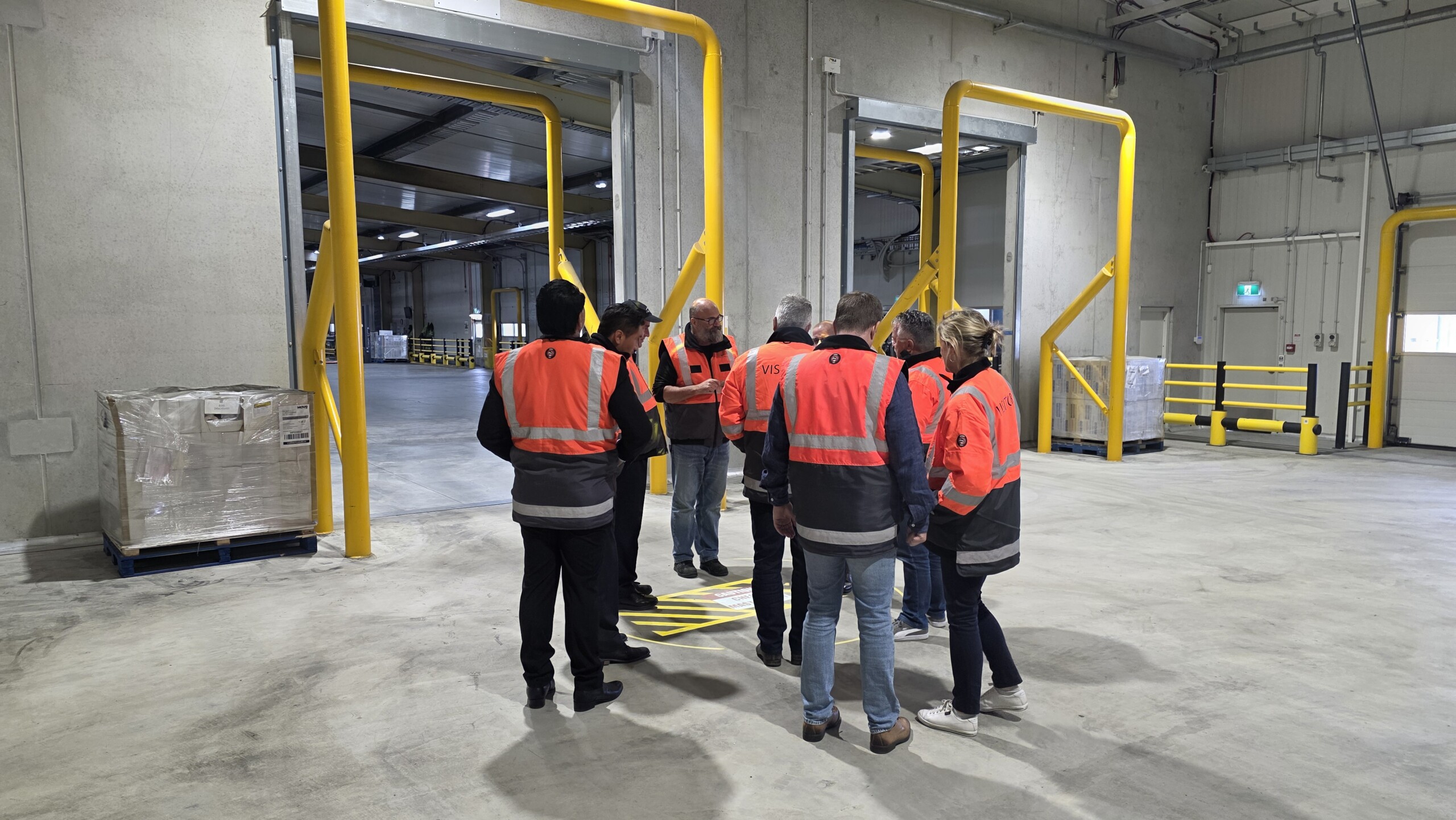
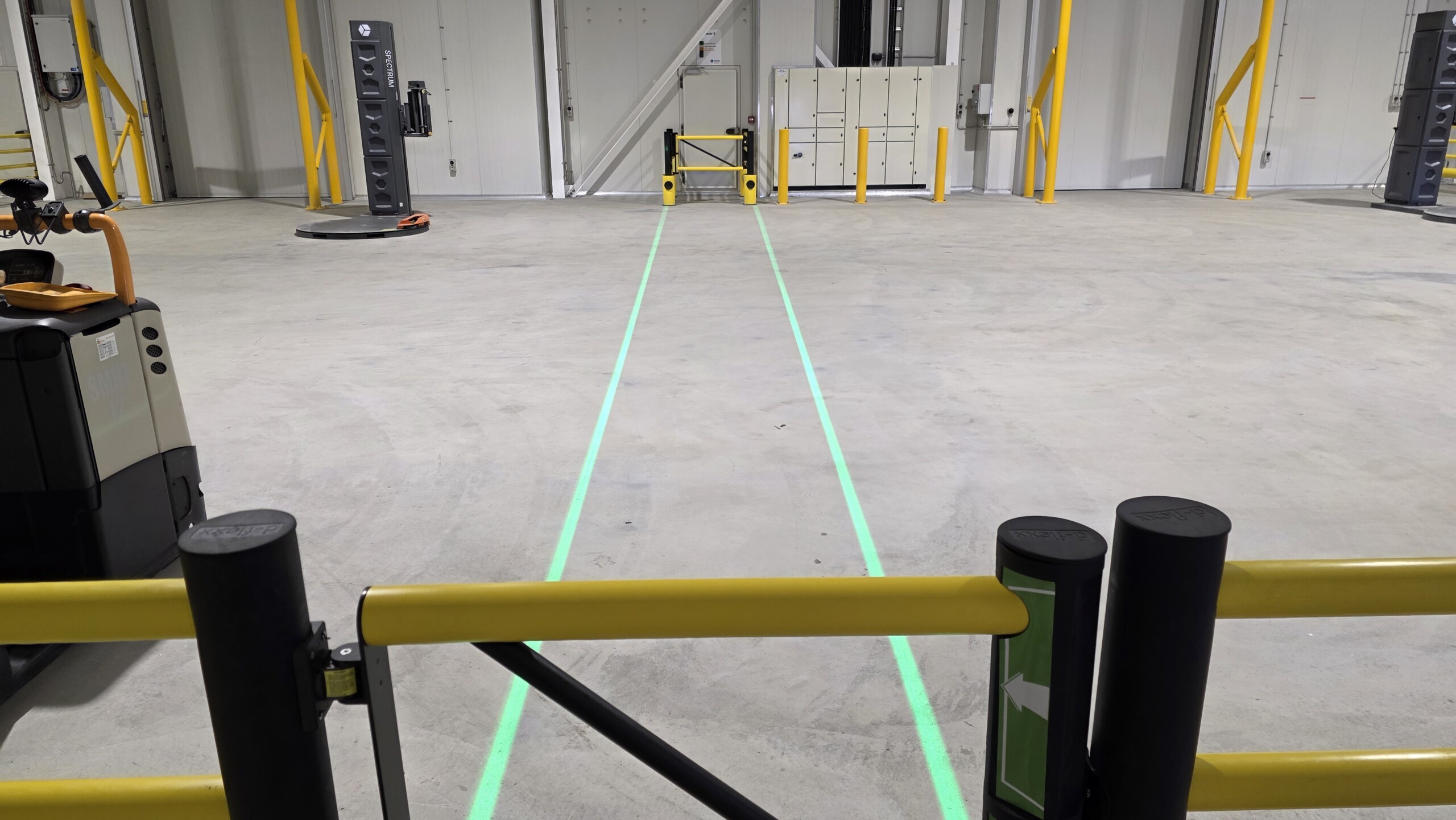
To complement the barrier system, HaloPath laser line projectors were installed to create three clearly defined pedestrian crossings through the centre of the warehouse.
Positioned on either side of the crossing, the projectors create a permanent high-visibility walkway that cannot wear away under forklift traffic. Unlike painted lines, the projected pathway requires no repainting and can be easily relocated or switched off if the warehouse layout or operating conditions change.
Outcome
Americold now has a purpose-built pedestrian protection system that is better suited to the demands of its operation.
The new energy-absorbing barriers protect pedestrians where physical separation is possible improving pedestrian safety, minimising damage from forklift impacts and helping protect the concrete floor from costly repairs.
While the HaloPath system maintains a highly visible crossing point where traffic must continue to flow freely.
The result is a safer, more resilient workplace with lower ongoing maintenance requirements, and greater flexibility as the facility evolves.
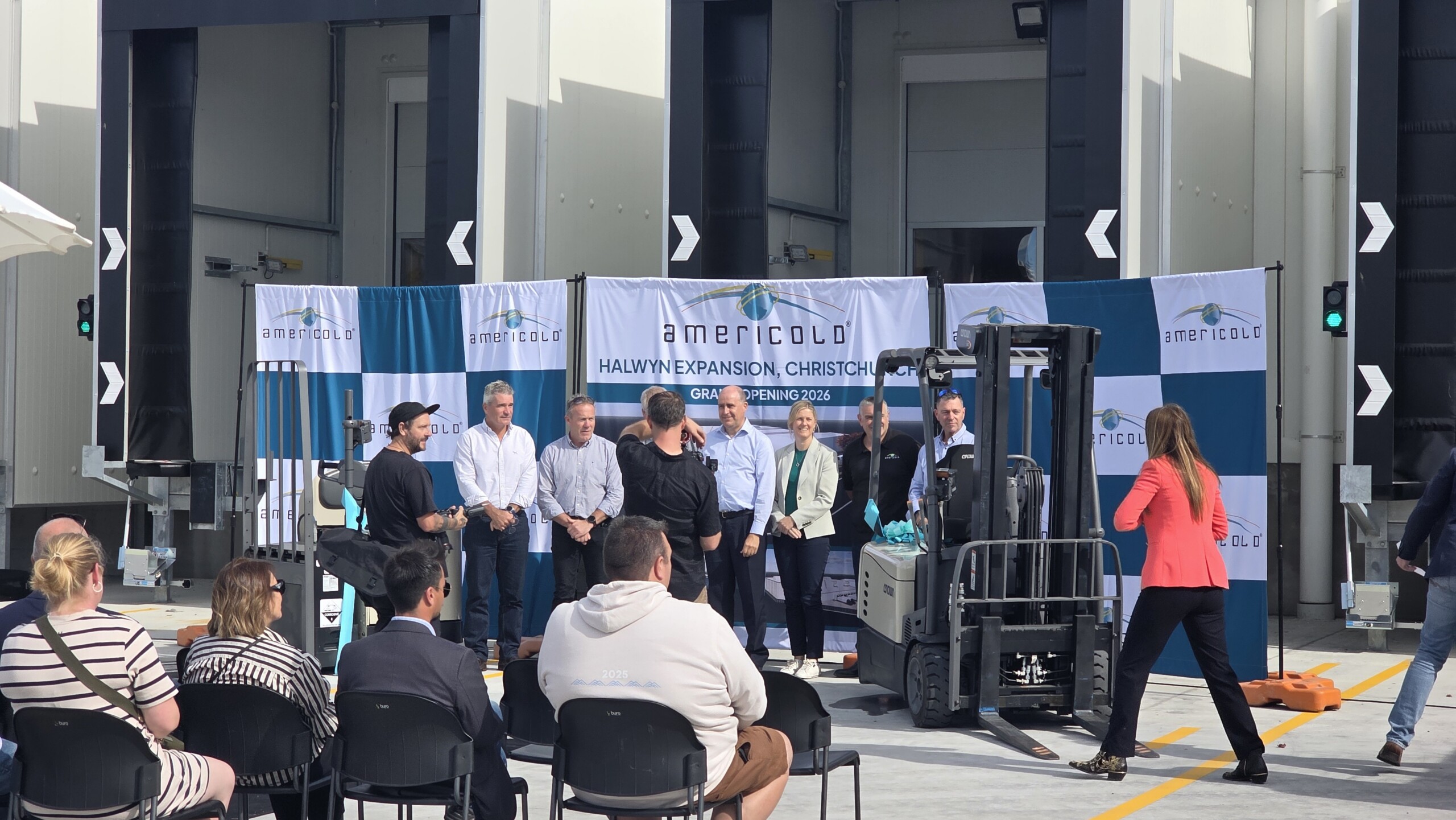
Images from Americold Halwyn Street Site Grand Opening: